Introduction
As summer season tactics, the sweltering heat can turn your completely satisfied dwelling into an uncomfortable sauna. Air conditioning procedures become considered necessary, however the query arises: can you put in your own air conditioner? With a creating development in opposition t DIY initiatives, many home owners are bearing in mind taking concerns into their very own palms. This article delves into the ins and outs of DIY AC installation, exploring whether it’s absolutely achieveable for the natural home owner or greater left to the gurus.
https://zanderhspx881.huicopper.com/exploring-smart-home-integrations-with-modern-hvac-systemsUnderstanding the Basics of Air Conditioning Systems
What is an Air Conditioner?
An air conditioner (AC) is a manner designed to alter indoor temperatures through casting off heat from a selected aspect and expelling it exterior. It operates on the concepts of thermodynamics, involving refrigerants that soak up and release warmth.
Types of Air Conditioners
When deliberating a DIY AC installation, it can be valuable to consider the different different types of air conditioners purchasable:
- Window Units: Compact contraptions finest for single rooms. Affordable but can be much less valuable for large spaces. Portable ACs: Versatile and uncomplicated to maneuver yet might also require venting using a window. Split Systems: Comprising two items (indoor and outdoors), providing useful cooling for whole homes however frustrating to put in. Central Air Conditioning: Best for monstrous residences, using ducts to distribute cool air in the course of.
Choosing the Right Air Conditioner
What Size of AC Unit Do I Need?
Determining the fitting measurement is critical. An undersized unit will wrestle to chill your area, even though an oversized unit will cycle on and stale too in many instances, preferable to inefficiency. The accepted rule of thumb is:
- Calculate your room's rectangular footage. Use BTU (British Thermal Units) scores as a help. Typically, you want about 20 BTUs in step with sq. foot.
| Room Size (sq toes) | Recommended BTUs | |-------------------|------------------| | 100 - three hundred | 5,000 - 7,000 | | three hundred - 600 | 7,000 - 14,000 | | six hundred - 1,000 | 14,000 - 25,000 |
How Do I Know What Type of Air Conditioner to Buy?
Choosing an AC contains evaluating numerous explanations:
Room Size: Larger rooms require extra valuable instruments. Energy Efficiency: Look for sets with prime SEER (Seasonal Energy Efficiency Ratio) scores. Installation Feasibility: Some forms are more uncomplicated for DIY deploy than others. Cost: Factor in both initial purchase value and lengthy-time period operational costs.DIY AC Installation: Can You Really Do It Yourself?
The solution isn’t undemanding; it depends commonly for your expertise and event. While many homeowners successfully total their very own installations, there are complexities in contact that could cause error if one isn’t cautious.
Pros of DIY Installation
Cost Savings: Avoid labor quotes via dealing with installing yourself. Flexibility: Choose your agenda with out expecting reliable availability. Learning Experience: Gain primary qualifications and competencies approximately HVAC strategies.Cons of DIY Installation
Potential Errors: Mistakes can result in inefficient operation or even spoil to the unit. Safety Risks: Working with electrical materials poses safety disadvantages if no longer handled wisely. Warranty Issues: Many brands void warranties if installations aren’t conducted through certified experts.Preparing for Your DIY AC Installation
Gather Necessary Tools and Equipment
Before diving into set up, be certain you may have the whole thing you want:
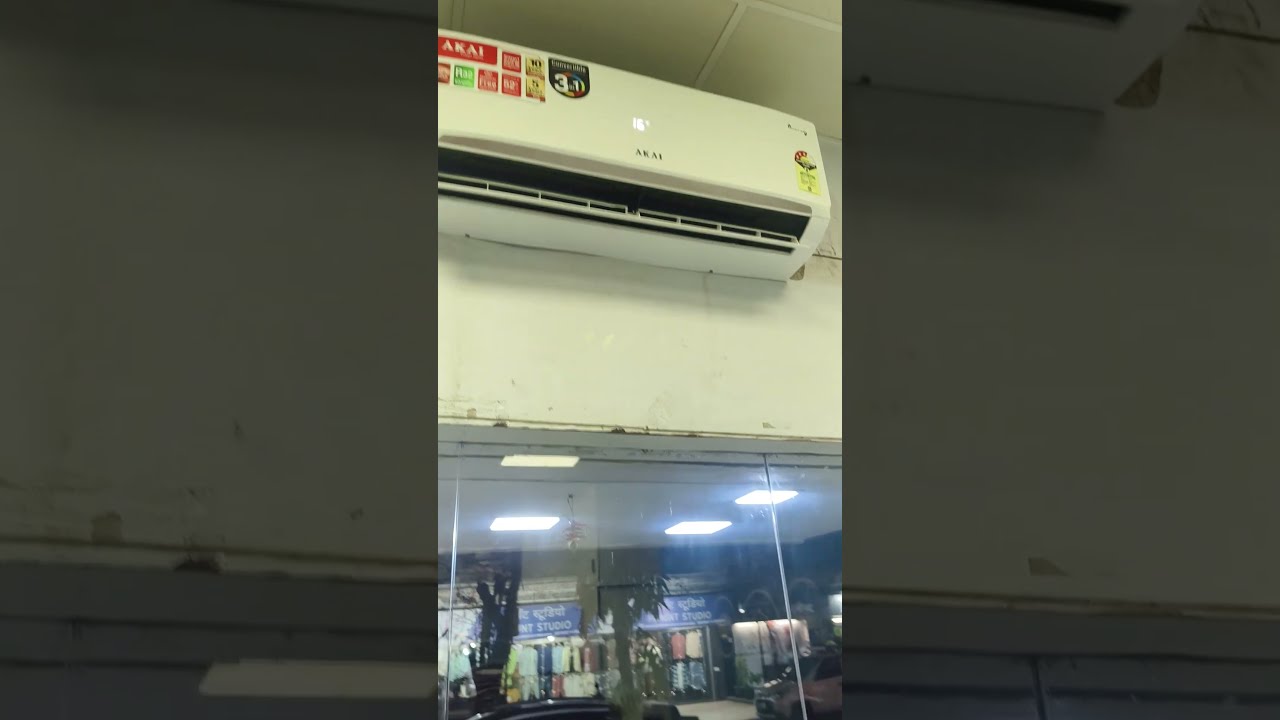
- Screwdrivers Wrenches Level Tape measure Drill Safety goggles and gloves
Read the Instruction Manual Thoroughly
Each air-con unit comes with special training that have got to be adopted closely for correct set up and most suitable overall performance.
Step-by-Step Guide to Installing Your Own AC Unit
Step 1: Choosing an Installation Location
Select a vicinity that makes it possible for ok airflow both indoors and exterior at the same time as being without problems on hand for upkeep.
Step 2: Mounting the Indoor Unit
If you might be installation a cut up procedure:
Use a level to mark where the indoor unit will grasp at the wall. Drill holes as detailed within the manual for mounting brackets.Step 3: Installing the Outdoor Unit
Place the out of doors condenser on a secure surface like concrete pads or brackets—guaranteeing true drainage faraway from your home.
Step 4: Connecting Electrical Lines
Follow protection protocols while connecting energy traces:
Turn off electricity on the breaker field formerly establishing work. Connect wires in keeping with producer necessities; incorrect wiring can intent fires or machine failure.Step five: Sealing Refrigerant Lines
Ensure all connections are tight and properly insulated with foam tape or related parts to prevent power loss.
Testing Your Newly Installed AC System
Once everything is connected:
Turn on vigor on the breaker box. Switch for your unit making use of remote handle or wall thermostat. Monitor efficiency—determine airflow temperature after running for a few minutes; it need to be greatly cooler than room temperature.FAQ Section
Q1: Can I Install My Own AC Unit?
Yes! Many home owners efficaciously comprehensive their very own installations; nevertheless, it calls for cautious making plans and adherence to safe practices protocols.
Q2: How Much Does Professional AC Installation Cost?
Professional prices fluctuate extensively centered on place but characteristically vary from $500-$2000 based on complexity and form of unit mounted.
Q3: Where Can I Buy Air Conditioner Online?
Several official retailers sell air conditioners on-line—appearance out for purchaser reviews whilst buying from websites like Amazon or specialised HVAC outlets like acprices.ca.
Q4: Are There Any Local Regulations Regarding AC Installation?
Yes! Check native building codes which might dictate different specifications relating to HVAC installations—failure to conform may perhaps set off fines or mandatory removal of non-compliant instruments.
Q5: What Maintenance Is Required After Installation?
Regular protection includes altering filters every few months, cleansing coils once a year, checking refrigerant phases, and guaranteeing drainage tactics paintings well.
Q6: How Do I Find The Best AC Companies in Canada?
You can seek on line directories like acprices.ca which give ratings based on buyer studies and carrier fine—making sure you opt reputable carriers while considered necessary!
Conclusion
In end, while exercise a DIY AC installing may well appear daunting at the beginning glance, with ample coaching and potential it’s completely practicable! From figuring out what dimension unit fits your demands excellent thru researching how each and every part works jointly—the journey might also just empower you similarly as a homeowner! Remember invariably prioritize defense peculiarly else for the period of deploy tactics; if unsure don’t hesitate accomplishing out specialists indexed at most excellent AC organisation listing Canada acprices.ca!
With summer properly around corner don’t enable suffering get you down—equip yourself in these days by means of investing time studying items available sooner than making decisions whether or not appoint consultants experienced tradespeople or take plunge into thrilling global do-it-your self tasks!
This article presents complete insights into DIY air conditioning set up while sustaining professionalism throughout the time of its content—encouraging readers discover prospects expectantly!